
You wake up stiff. You sit at a desk all day. You stand up and your lower back hurts. Sound familiar?
You are not alone. Poor posture and sitting for long periods puts more pressure on your back and causes painful symptoms. Over time, your muscles get weak and your spine pays the price.
A rowing exercise machine strengthens the exact muscles your spine needs to stay upright and pain-free, without hurting your joints. Here is exactly how it works.
Why Is Back Pain So Common?
Back pain rarely shows up overnight. It builds slowly over weeks and months.
Sitting too long puts pressure on your back, and lack of activity leads to weak muscles and less flexibility. Tight hip flexors, a weak core, and rounded shoulders all pile up to create the perfect recipe for chronic back pain.
In my experience, the mistake I see most often is relying on stretching alone. Stretching helps short-term, but strengthening is what actually keeps the pain away for good.
How Does a Rowing Exercise Machine Improve Your Posture?
-
Strengthens Your Entire Back
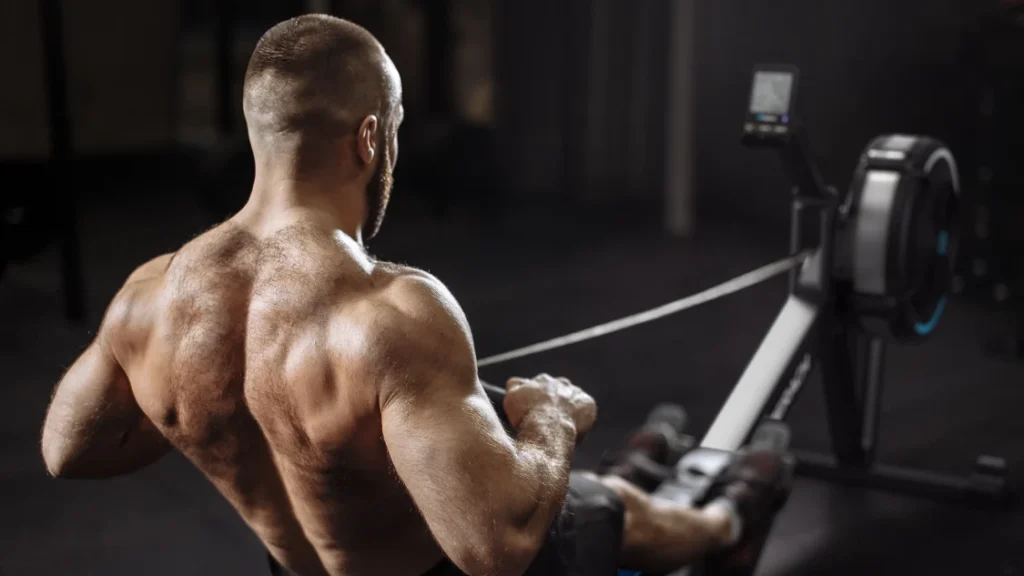
The rowing motion strengthens your upper and lower back, alongside other muscle groups like your core, legs, and upper body. These are the exact muscles that hold your spine upright, and most people never properly train them.
As long as you use proper form, rowing will improve your day-to-day posture. It targets your lower and upper back, trapezius muscles, and core, all in one workout.
-
Works Up to 86% of Your Muscles in One Stroke
Rowing is one of the most efficient exercises out there. It works up to 86% of your body’s muscles in a single stroke, making it incredibly effective for improving overall back strength. Your legs push, your hips hinge, and your back pulls, all in one smooth and connected motion.
-
Fights the “Desk Slouch” Directly
The repetitive pulling motion of the rowing machine pulls your shoulders back rather than allowing them to stay hunched forward. This directly counters the slouching position most desk workers spend hours in every day.
A rowing machine for home use gives you a consistent opportunity to reinforce good posture. With regular practice, your muscles develop “memory” for proper alignment, making good posture feel natural even when you are not exercising.
Can Rowing Reduce Existing Back Pain?
Yes, but form must come first.
Rowing can help reduce existing back pain, particularly when the pain comes from muscle imbalances or weakness. The rowing stroke targets and strengthens the core and back muscles that support the spine, helping relieve pain caused by poor posture or muscle weakness.
The flowing and controlled motion of rowing provides low-impact exercise that does not stress your joints, making it safe for most people dealing with mild to moderate back discomfort.
What Results Can You Realistically Expect?
A stronger lower back directly helps relieve pain and improves your overall body posture. Rowing involves continuous and rhythmic movements that work your hips and lower back dynamically, improving mobility, reducing muscle tension, and supporting better spinal alignment over time.
What Form Mistakes Cause Back Pain While Rowing?
The rowing exercise machine only works well when you use it correctly. Here are the most common mistakes to avoid:
- Rounding your back: This is the number one mistake. Always engage your core and keep your spine neutral throughout the stroke.
- Using your arms too much: Your legs should drive 65 to 75% of the stroke. Let your legs do the heavy lifting, not your arms.
- Jerky, rushed movements: Rowing should be smooth and controlled. Rushing your stroke places unnecessary stress on your back and causes discomfort.
- Skipping rest days: Start slow and give your muscles time to recover and grow stronger.
How Often Should You Row to See Results?
To see real benefits for your back, start with 15 to 20 minute sessions, 3 to 4 times per week. Consistency matters far more than intensity, especially when you are just starting out.
Always consult with a doctor if you have chronic back pain before beginning a rowing routine. Poor technique on an existing injury can make things worse.
Final Words
Back pain and poor posture are not permanent. They are simply signs that the right muscles are not strong enough yet.
Whether you are recovering from back issues or simply want to prevent future problems, rowing offers a sustainable and effective approach to better back health that can serve you for years to come.
Start rowing today. Keep your form clean, stay consistent, and give it eight weeks. Your spine will thank you.